
Why did Minneapolis get so big?
Exploring the economic development of Minnesota’s largest city is intriguing. It’s located in Hennepin County. The city’s growth is thanks to its strategic location and natural resources.
We’ll look at what made the city prosperous. From its start to now, it’s a major economic center. Knowing the economy of Minneapolis helps us understand its importance.
By studying the city’s minneapolis economics, we learn about its growth. It’s a story of success and development.
The Geographic Advantage: How Location Shaped Minneapolis’ Destiny
The city’s destiny was shaped by its unique geography. This offered many advantages. Minneapolis’ location provided natural resources and strategic positioning. These factors helped it grow into a major economic hub.
The Mississippi River: Nature’s Highway to Growth
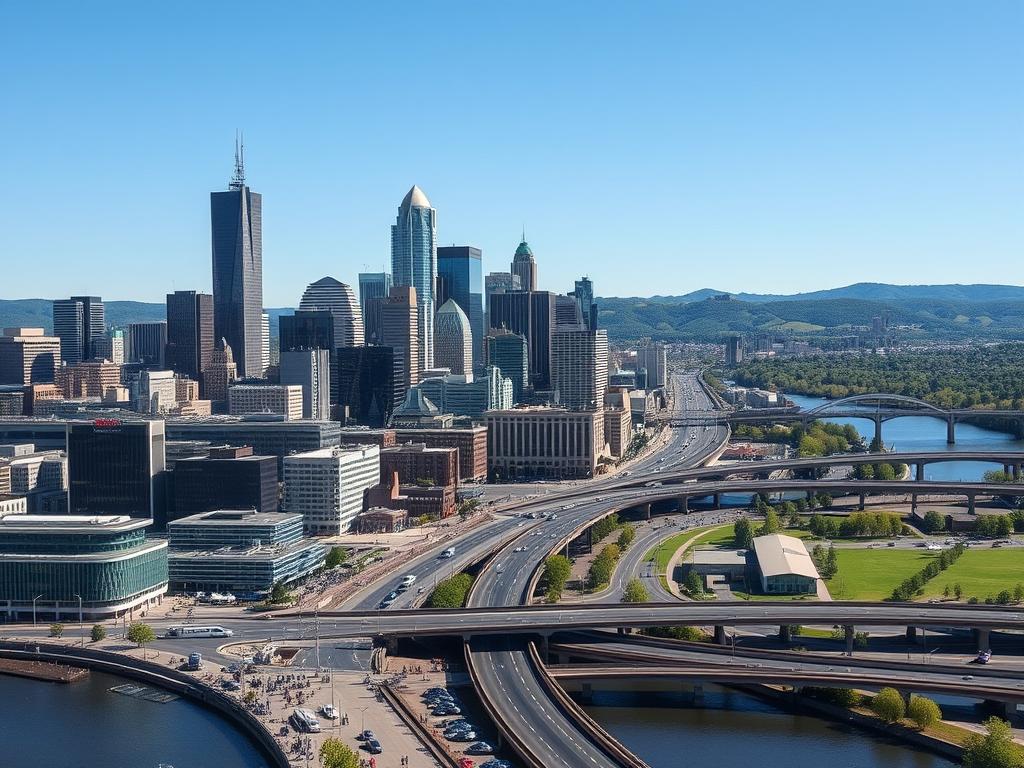
The Mississippi River was key in Minneapolis’ development. It served as a natural highway for trade and commerce. This access to waterborne trade was instrumental in stimulating economic growth.
The river’s presence also supported industries like sawmilling and flour milling. It used the water power from Saint Anthony Falls.
At the Crossroads: Strategic Position in the Upper Midwest
Minneapolis is at the crossroads of the Upper Midwest. This makes it a strategic location for trade. The city’s position allowed it to become a hub for goods and services exchange.
This strategic positioning has contributed to Minneapolis’ emergence as a significant player in the Minneapolis finance sector. It aligns with broader Minneapolis economic trends. These trends highlight the city’s diversified economy.
From Wilderness to Metropolis: The Early Economic Foundations
The early days of Minneapolis show how a city used its natural gifts to grow into a big industrial hub. The city’s success came from using natural power and starting industries that used these resources.
St. Anthony Falls: The Natural Power Source That Started It All
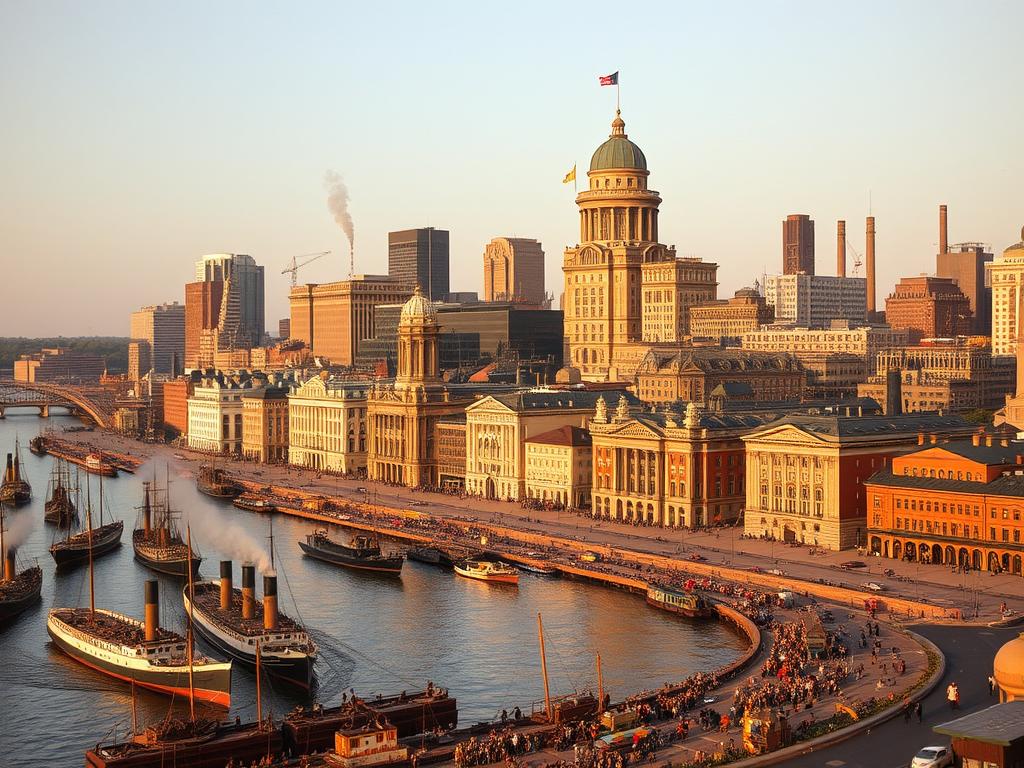
St. Anthony Falls was key to Minneapolis’ early growth. It gave a natural power source for sawmills. The area’s lots of timber made sawmilling very profitable, drawing people and money to the area.
As sawmilling grew, so did the area’s infrastructure and economic strength. This laid the foundation for more growth.
Key advantages of St. Anthony Falls included:
- Abundant water power
- Access to timber resources
- Potential for industrial development
The Flour Milling Revolution: How Minneapolis Became the “Mill City”
Flour milling became a big deal as sawmilling grew. Minneapolis’ easy access to wheat and St. Anthony Falls’ power made it perfect for flour mills. New milling tech made Minneapolis a top flour producer, earning it the “Mill City” name.
The flour milling industry greatly boosted Minneapolis’ economic outlook. It created jobs and grew other sectors. Its success also made Minneapolis a center for industrial innovation, drawing businesses and talent, improving the minneapolis job market.
Some key factors for Minneapolis’ flour milling success were:
- Innovative milling technology
- Access to raw materials (wheat)
- Strategic location with power from St. Anthony Falls
Looking at Minneapolis’ early economy helps us see how its smart growth and innovation paved the way for its future success and economic variety.
The Railroad Revolution: Connecting Minneapolis to America
With the construction of railroads, Minneapolis was linked to the rest of America. This change revolutionized its economy. The city’s GDP grew significantly as trade and connectivity improved.
Building the Iron Web: Railroad Development and Expansion
The first railroads in Minnesota started in 1862. This marked a new era for Minneapolis. As the rail network grew, the city became a key hub, connecting the region to the rest of the country.
This development made it easier to move goods and people. It set the stage for the city’s future economic success.
From Regional Hub to National Player: The Economic Impact of Rail Connections
The rail connections greatly impacted Minneapolis’ economy. The city’s economic indicators showed big improvements as it became a major trade center. The railroad’s role in Minneapolis’ GDP was huge, helping the city become a major economic center.
The railroad revolution was key in shaping Minneapolis’ economic future. The city’s growth was due to its ability to connect with America. This shows how important transportation infrastructure is for economic growth.
Minneapolis Economics: A Case Study in Successful Diversification
Minneapolis has seen big changes in its economy. It’s now a strong, diverse economy. This change has made the city stable and attractive for businesses and investors.
The city’s economy grew by investing in finance, healthcare, and technology. We can see how these investments helped Minneapolis succeed.
Beyond Boom and Bust: How Sector Variety Created Stability
Minneapolis’ diverse industries are key to its stability. The city isn’t just one industry. The finance sector is a big part of this. It has helped the city stay strong during tough times.
- The finance sector has provided a stable source of employment.
- Diversification into healthcare and technology has further bolstered the economy.
- Investment in education and research has fostered innovation and entrepreneurship.
These efforts have helped Minneapolis handle economic challenges better than other cities.
The Minneapolis Model: Economic Lessons for Other Cities
Minneapolis’ economic strategy is a lesson for other cities. By focusing on diversification and investing in many sectors, cities can build stronger economies. The Minneapolis model shows that a balanced approach to economic development is key.
- Encourage a diverse range of industries to reduce dependence on a single sector.
- Invest in education and research to foster innovation.
- Develop a robust financial services sector to support businesses.
By following these steps, other cities can achieve economic diversification and stability like Minneapolis.
Corporate Powerhouse: The Headquarters Effect
Minneapolis is home to many Fortune 500 companies, boosting its economy. This has led to more job opportunities in various fields. The city’s economy is stable, thanks to these big companies.
Fortune500 City: Why Major Companies Choose Minneapolis
Minneapolis is a top choice for big companies. It has a strong economy and a business-friendly environment. General Mills and Target Corporation have their headquarters here, attracted by the city’s stability.
The city’s location, skilled workers, and good business climate are key reasons. Its infrastructure and quality of life also attract and keep top talent. This supports the growth of these corporations.
The Ripple Effect: How Corporate Presence Transforms Urban Economies
Big companies in Minneapolis boost the local economy. They create jobs, improve infrastructure, and increase economic activity. This effect also helps small and medium-sized businesses.
- Increased demand for services and supplies
- Growth of ancillary industries
- Enhanced infrastructure development
Minneapolis is now a thriving economic center. Its diverse and resilient economy is ready for more growth. The city’s strong corporate presence will keep driving its economic trends.
Banking on Success: Minneapolis as a Financial Center
Minneapolis has grown into a major financial center. This growth is thanks to smart planning and key players in the finance world.
The Federal Reserve Bank of Minneapolis has played a big role. It has brought other banks and financial experts to the city.
From Regional Banks to National Players
Minneapolis’ financial success comes from its banks growing bigger. Banks like U.S. Bancorp are based here, making the city’s financial status stronger.
- Expansion through mergers and acquisitions
- Innovative financial products and services
- Strategic investments in technology
How Financial Services Fueled Broader Economic Growth
The finance sector’s growth has helped Minneapolis’ economy. It has created jobs, boosted investment, and made the city more stable.
- Job creation in financial services and related industries
- Increased investment in real estate and infrastructure
- Contribution to the city’s GDP through financial sector output
Looking at Minneapolis’ finance sector, it’s clear the city’s smart planning and key players are key. The Minneapolis economic outlook is bright, thanks to a strong finance industry.
The Innovation Engine: Education and Research Institutions
The University of Minnesota has been key to Minneapolis’ success. The city’s economy has grown thanks to its schools and research centers.
The University of Minnesota: Economic Catalyst and Talent Pipeline
The University of Minnesota drives innovation and growth in Minneapolis. It acts as an economic catalyst and a talent pipeline. This means it helps the local economy by providing skilled workers.
- Attracts top talent from across the globe
- Fosters innovation through cutting-edge research
- Provides a skilled workforce for local businesses
This institution greatly impacts the local economy. It boosts Minneapolis GDP through research grants, hiring talent, and community projects.
Research to Revenue: Commercializing Innovation in Minneapolis
Turning research into products and services has helped Minneapolis thrive. This has brought economic benefits to the city.
- Research is translated into marketable products and services
- Innovation hubs and incubators support startup growth
- Collaboration between academia and industry drives economic growth
This effort boosts the Minneapolis economic indicators. It also makes the city known for innovation and entrepreneurship.
Healing and Growing: The Healthcare Economy
Minneapolis is a key player in medical technology and research. This makes its healthcare economy strong and growing. The city’s healthcare sector offers many jobs in medical research, healthcare services, and medical technology.
Medical Alley, a major healthcare innovation area, has made Minneapolis a leader in healthcare. It’s where many healthcare companies, research places, and medical device makers are based. Medtronic, a global leader, calls Medical Alley home.
Medical Alley: The Birth of a Healthcare Innovation Corridor
Medical Alley is key to innovation and teamwork in healthcare. It brings together leaders, researchers, and healthcare workers. This creates a lively place for medical tech and treatment progress.
The corridor’s success has made Minneapolis a top choice for healthcare companies and talent. This boosts the Minneapolis economic trends.
Beyond Treatment: Healthcare as an Economic Driver
The healthcare sector in Minneapolis does more than just treat patients. It also boosts the local economy. It supports businesses in areas like pharmaceuticals, biotechnology, and medical devices.
This makes healthcare a big part of Minneapolis’s economic future. The city’s focus on healthcare innovation and research will help it grow. A supportive business environment and investments in healthcare infrastructure are key to this growth.
The Cultural Economy: How Arts, Sports, and Tourism Shaped the City
Exploring Minneapolis’ economy shows the cultural sector’s key role. The city’s arts, sports, and tourism add to its growth. They also make life better for locals and boost the economy.
Minneapolis boasts many cultural spots like the Minneapolis Institute of Art and the Walker Art Center. These places draw visitors and talent from everywhere. They make Minneapolis a great place to live and work, helping the economy.
Creative Capital: The Economic Value of Arts and Culture
The arts and culture sector is big for Minneapolis’ economy. They attract tourists and improve life quality. This makes Minneapolis a key player in the minneapolis economic outlook.
World-class cultural spots also spark creativity and business ideas. Cultural events and festivals add to the city’s charm. They bring in money for local shops and create jobs.
Also, cultural events and festivals have a big economic effect. They help local businesses and create jobs.
Playing to Win: Sports Franchises and Urban Development
Sports teams are big in Minneapolis. They add to the city’s culture and drive growth. Investments in stadiums and facilities boost the local economy.
The sports world also helps other businesses grow. This makes Minneapolis’ economy stronger and more stable.
In summary, Minneapolis’ cultural economy is key to its success. By supporting this sector, Minneapolis can look forward to a strong minneapolis economic outlook.
Our Minneapolis Future: Economic Challenges and Opportunities Ahead
Looking ahead, Minneapolis faces economic hurdles like income and job gaps. It’s vital to grasp Minneapolis economics to tackle these issues and seize new chances.
The city’s economy is strong, thanks to healthcare, finance, and tech. Its GDP boosts the national economy, showing its role as a key business spot.
To tackle disparities and spur growth, Minneapolis must use its economic strengths. This way, it can build an inclusive economy that helps everyone and keeps it at the top.
Minneapolis’s future depends on its ability to diversify and evolve. By focusing on GDP growth and better economic signs, it can keep growing and offer chances for its people.