
Do Insulated Garage Doors Really Make a Difference?
Homeowners are always on the lookout for upgrades that pay off in the long run—and garage doors are often overlooked. One of the most common questions people ask during home improvement season is: Do insulated garage doors really make a difference? The short answer: yes, absolutely. Whether you’re tired of battling icy drafts in the winter, dealing with stifling summer heat, or simply looking to cut down on energy bills, insulated garage doors deliver benefits that extend well beyond the garage itself.
Most homeowners don’t realize the garage is often the largest uninsulated space in the house,” explained the team at After Hours Garage Doors. “Installing an insulated garage door can dramatically improve temperature stability, reduce energy costs, and enhance overall comfort.
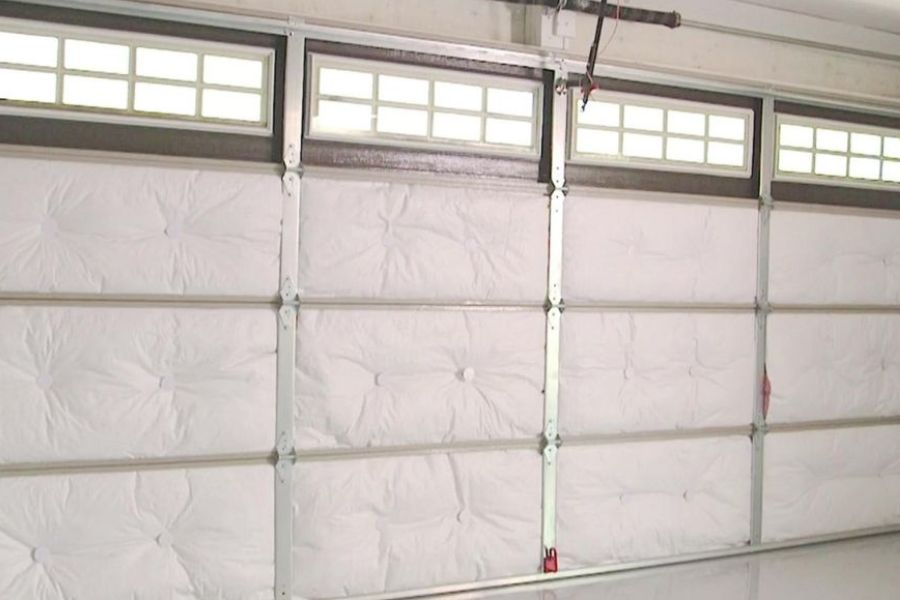
According to the U.S. Department of Energy, properly insulated doors can improve overall energy efficiency by up to 20% in attached garages. That translates to reduced strain on your HVAC system, lower monthly energy bills, and a more stable indoor climate.
Understanding R-Values: Measuring Insulation Performance
When comparing insulated garage doors, one key factor is the R-value—a measurement of thermal resistance. The higher the R-value, the better the insulation.
- Non-insulated doors: R-value of 0
- Basic insulated doors (polystyrene panels): R-6 to R-9
- Premium insulated doors (polyurethane foam core): R-12 to R-18+
For garages that are climate-controlled or have living spaces above them, a higher R-value is highly recommended.
Temperature Control Means More Usable Space
If you’ve been using your garage as a workspace, gym, or hobby area, insulation is a game changer. Traditional garage doors can make the space unbearably hot or cold. An insulated model moderates temperatures more effectively, allowing year-round use without discomfort.
Bonus: Temperature control also benefits your car, stored belongings, and even the integrity of your walls and flooring.
Noise Reduction: A Quieter Home
Another overlooked benefit is noise control. Insulated doors are thicker and better at dampening sound, both from the outside world (traffic, lawnmowers, neighbors) and from the door’s own operation.
For households with bedrooms near or above the garage, this can mean a noticeable improvement in everyday comfort—especially for families with babies, night-shift workers, or anyone who values a quieter living space.
Durability and Long-Term Value
Standard single-layer garage doors are usually made of lightweight steel or fiberglass. While affordable, they can dent, warp, or wear down quickly. Insulated doors, by contrast, are built with multiple layers of steel or aluminum wrapped around a dense insulation core. This design makes them:
- Stronger and more impact-resistant
- Less prone to dents and warping
- Longer-lasting, requiring fewer repairs over time
That added durability translates to lower maintenance costs and better long-term performance.
Environmental Benefits & Sustainability
Insulated garage doors don’t just benefit your home—they also help the environment. By reducing the energy needed to heat or cool your house, you’re lowering your overall carbon footprint.
In addition, many manufacturers now produce insulated doors using eco-friendly materials and more sustainable manufacturing processes. For environmentally conscious homeowners, this upgrade checks both the comfort and sustainability boxes.
Cost vs. Savings: Is It Worth It?
It’s true that insulated garage doors come with a higher upfront price tag. On average:
- Non-insulated door: $600 – $1,200 installed
- Insulated steel door: $1,000 – $2,500 installed
- Premium insulated/custom wood door: $2,500 – $5,000+ installed
While the initial investment is higher, the payback comes in multiple forms:
- Lower utility bills
- Reduced repair and maintenance costs
- Extended door lifespan
- Increased property value (many buyers see an insulated garage as a plus)
According to Remodeling Magazine’s Cost vs. Value Report, garage door replacements consistently rank among the top five home improvements for ROI, often recouping 90% or more of the cost in resale value.
The Bottom Line: A Smart Upgrade for Nearly Every Home
So, do insulated garage doors really make a difference? Yes—and in more ways than one. From energy efficiency and lower bills to comfort, durability, quieter operation, and environmental benefits, the advantages are both immediate and long-lasting.
If your garage feels like a freezer in January or a furnace in July, upgrading to an insulated door could be the simple, effective solution you’ve been looking for. It’s an investment that improves your home’s function, efficiency, and value—all with one upgrade.